


Former Prosecutor
Aggressive Defense.
24-Hour Hearing
Representation.
Protecting Your
Rights & Freedom.
Facing Criminal Charges in Tampa, FL?Hire Criminal Defense Lawyer Before Your 24 Hour Window Closes
Isn't 24 hours a short window to find a criminal defense lawyer? Florida schedules a judge for you within that time, arrest to hearing. Bond, charges and defense strategy all take shape at that hearing. Hiring McCulloch Law within that hour ensures you have criminal defense lawyer tampa fl to defend you from first appearance to trial. Drew McCulloch spent years as a Hillsborough County prosecutor before he switched sides. He knows exactly how much ground a defendant loses in those first hours. Searching for a criminal defense lawyer tampa fl tonight? Call McCulloch Law before that hearing happens.
Prosecutor
Defense
Trial Experience
Record & Freedom
Get a Free, Confidential Case Review From Criminal Defense Lawyer, Tampa
McCulloch Law offers a free, confidential initial case review of arrest report, bond, and charges at no cost. Talk to a seasoned criminal defense lawyer in Tampa FL before you answer more police questions.
Free Case Review
No fees. Confidential review of arrest report & bond.
100% Confidential
Protected by attorney-client privilege.
Speak Directly to Attorney
Former prosecutor handling your defense.
Immediate Response
Fast action before 24-hour court appearance.
Tell Us About Your Case
Fill out the form below and an experienced Tampa criminal defense attorney will review your case confidentially.
Types of Criminal Cases a Tampa Defense Lawyer Handles
Florida's criminal code covers more charges than most people recognize by name. An expert criminal defense lawyer tampa fl handles each of these charges with a distinct defense approach.
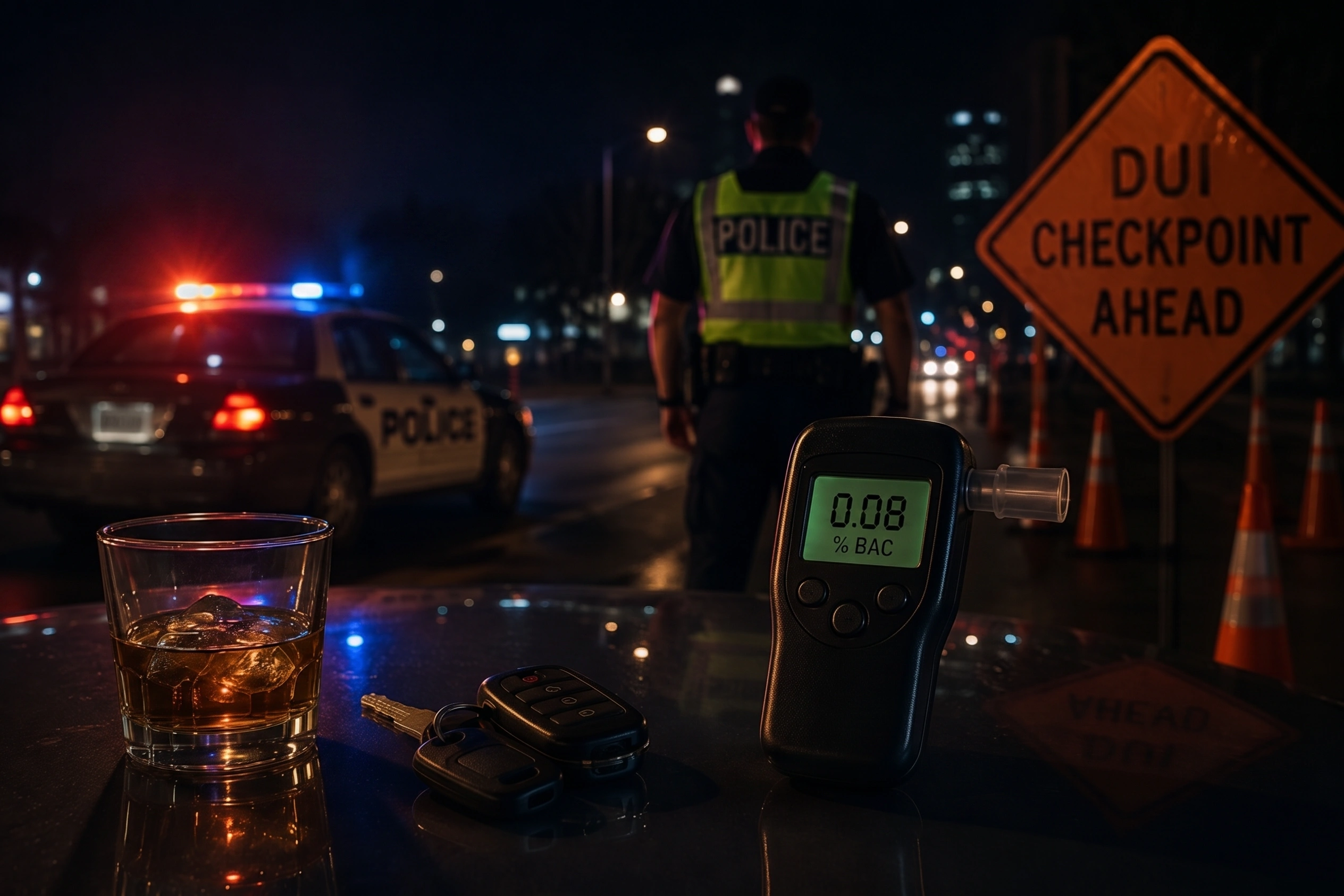
DUIs
Driving with blood alcohol level of .08 or higher is unlawful under Florida traffic law 316. First DUI conviction is punishable with up to six months in jail. Along with imprisonment, license will be revoked for at least 180 days. Prosecutors often focus intensely on breath test results. However those machines require strict maintenance and calibration records.
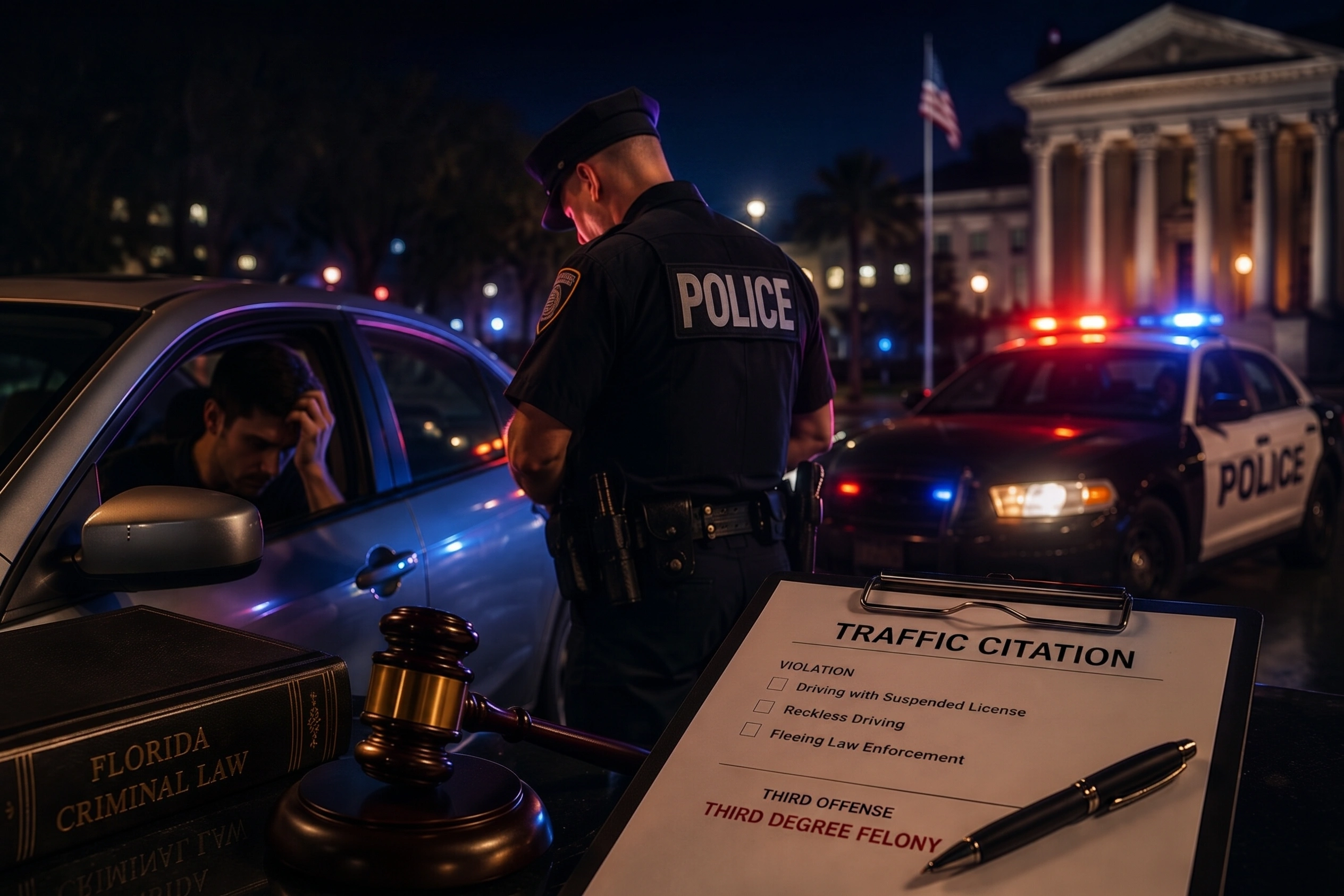
Driving Violations
In Tampa not all traffic stops result in tickets. Driving with suspended license, reckless driving and fleeing law enforcement lead to serious criminal penalties. Third offense for driving with suspended license can become a third degree felony under Florida law. Criminal defense attorney verifies if the state notified you of the suspension before charges.
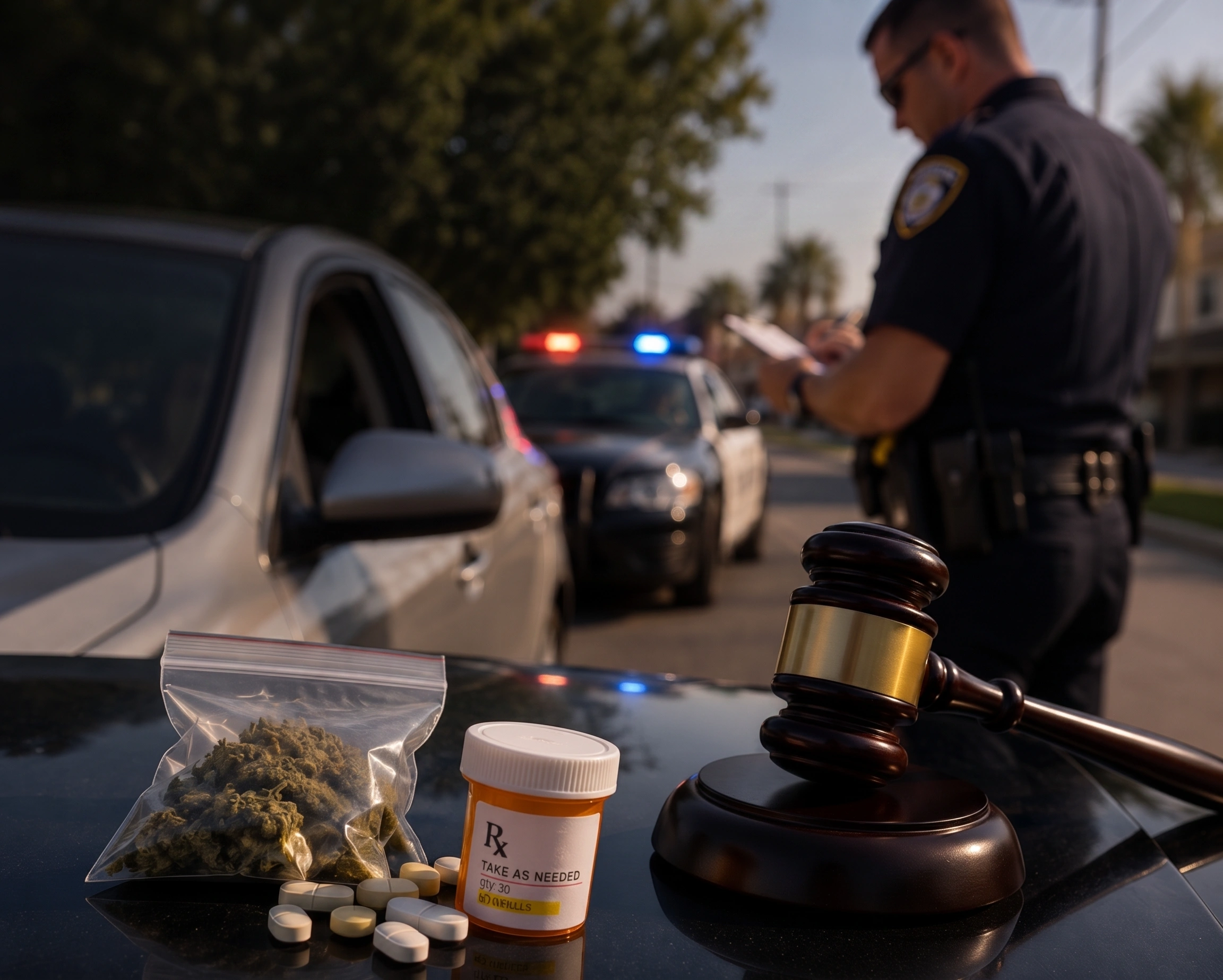
Drug Possession
Simple possession of a controlled substance without valid prescription is a third degree felony. This felony is covered under Florida Statute 893.13. Even possession of under 20 grams of cannabis carries first degree misdemeanor charge. Many drug cases start with a traffic stop and turns into a vehicle search without proper legal grounds. Criminal defense team contests those searches before the state can present findings.
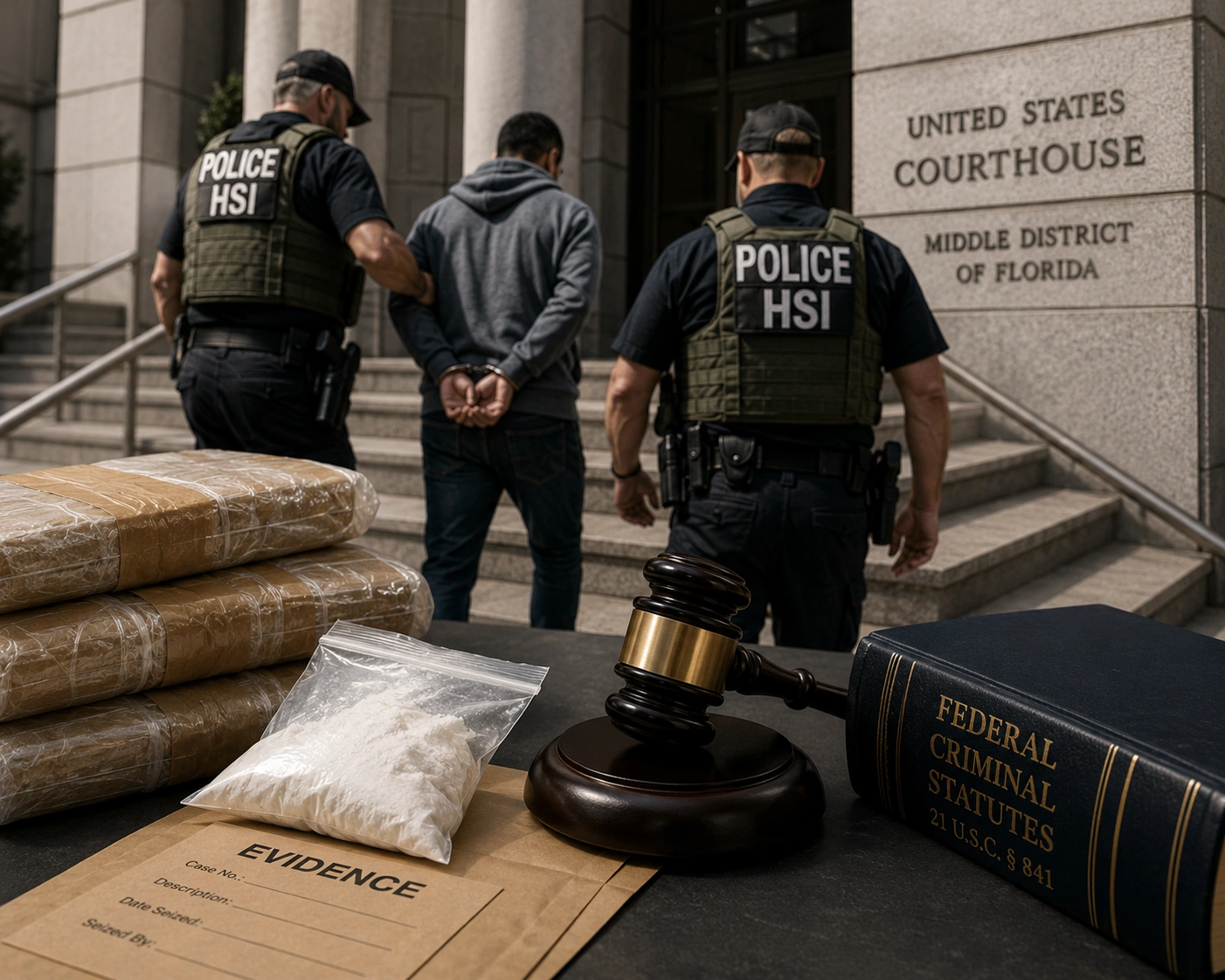
Drug Trafficking and Distribution
Trafficking charges in Florida depend on weight rather than selling intent. This aspect often surprises a lot of defendants. Twenty eight grams of cocaine or four grams of certain opioids can trigger trafficking charge with a mandatory minimum prison sentence. Judges have almost no discretion once that weight threshold gets proven at trial. The firm focuses early on the lab report and chain of custody. This is crucial because trafficking cases often depend on weighing and storing methods for drugs.
Homicide
Florida separates homicide into degrees. The difference between them can mean life in prison versus a lesser sentence. First degree murder requires premeditation or occurs during certain felonies. This offense can result in death penalty as a capital offense. Second degree murder does not require premeditation. Yet this offense can result in a life sentence. Defense team examines intent, timeline and forensic evidence closely. It's crucial as charged degree allows for more defense arguments.

Involuntary Manslaughter
When death results from reckless or negligent conduct it become involuntary manslaughter. This crime is second degree felony and does not require murder intent. Unintentional homicide leads to 15 years in prison. There are changes under SB 156 recently. Penalties will increase if victim is law enforcement officer and on duty. Criminal defense lawyer looks closely if conduct met legal standard for recklessness. It is important because many cases get overcharged from the start.
Assault and Battery
Simple assault is a threat creating fear of harm. In contast battery requires actual physical contact under Florida law. Aggravated assault involves weapon or intent to commit a felony. This offense is a third degree felony. Battery charges escalate quickly with prior convictions or weapon involvement. Criminal law firm reviews witness statements for inconsistencies. Because assault and battery cases often depend on the initial action.
Domestic Battery
Domestic battery charges apply if alleged victim is spouse, family member or romantic partner. Florida considers first offense as first degree misdemeanor. Yet second conviction can now be reclassified to a higher degree under HB 277. Arrest often happens the same night based on one person's statement. Defense lawyer moves fast to gather text messages, witness accounts and evidence to contradict initial report.
Sex Crimes
Sexual battery charges in Florida range from second degree felony to capital felony. This depends on victim's age and force used. Conviction always requires registration as a sexual offender or predator. New residency restrictions under SB 212 now bar registered offenders few requisites. They are restricted from living within 1,000 feet of pools, schools and parks.

Theft and Property Crimes
Florida distinguishes petit theft and grand theft at $750 in stolen property value. Grand theft becomes a felony. On the other hand petit theft usually stays a misdemeanor unless someone has prior theft convictions. Burglary and criminal mischief charges often get added to a single incident and multiplying the exposure. Defense team reviews prosecutors' calculations as they may inflate values to escalate charges.

White Collar Crimes
Organized fraud, embezzlement and identity theft charges in Florida can carry penalties as severe as violent crime convictions. Scheme involving $50,000 or more becomes first degree felony under Florida's fraud statute. These cases often rely on financial records and forensic accounting. Defense attorney works with financial experts to challenge the state's loss calculation amount and intent.
Federal Drug Offenses
Federal drug charges move through the Middle District of Florida and the rules change substantially. Federal minimums under 21 U.S.C. 841 often surpass state penalties. There's no parole in the federal system and inmates must serve most of any sentence imposed.
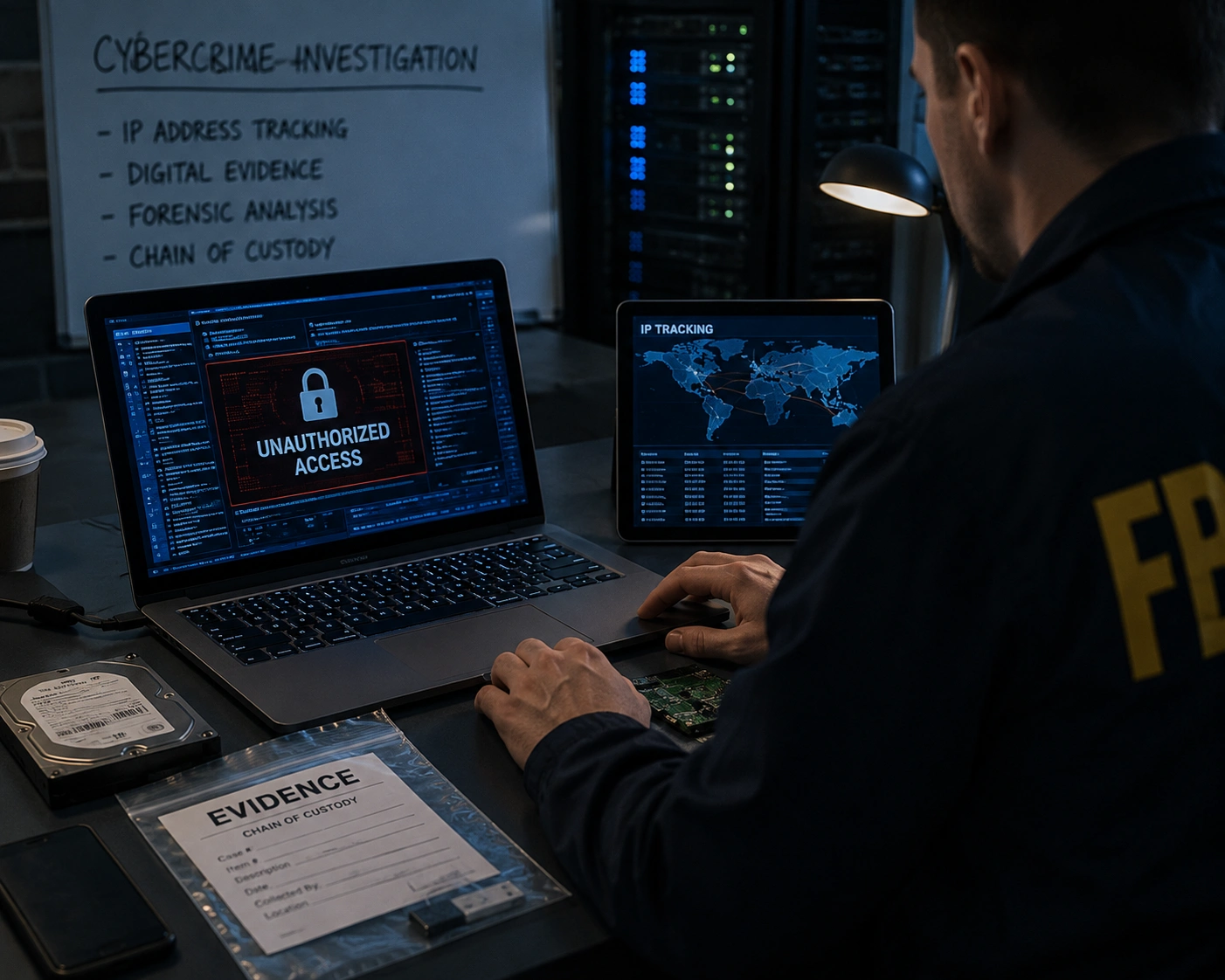
Cybercrimes
Florida’s Computer Crimes Act forbids unauthorized computer access, stealing data, and online fraud. Various cybercrime cases are charged under the Computer Fraud and Abuse Act at the federal level. This happens especially when conduct crosses state lines. Evidence in these cases lives on servers, devices and cloud accounts and requires proper forensic handling.
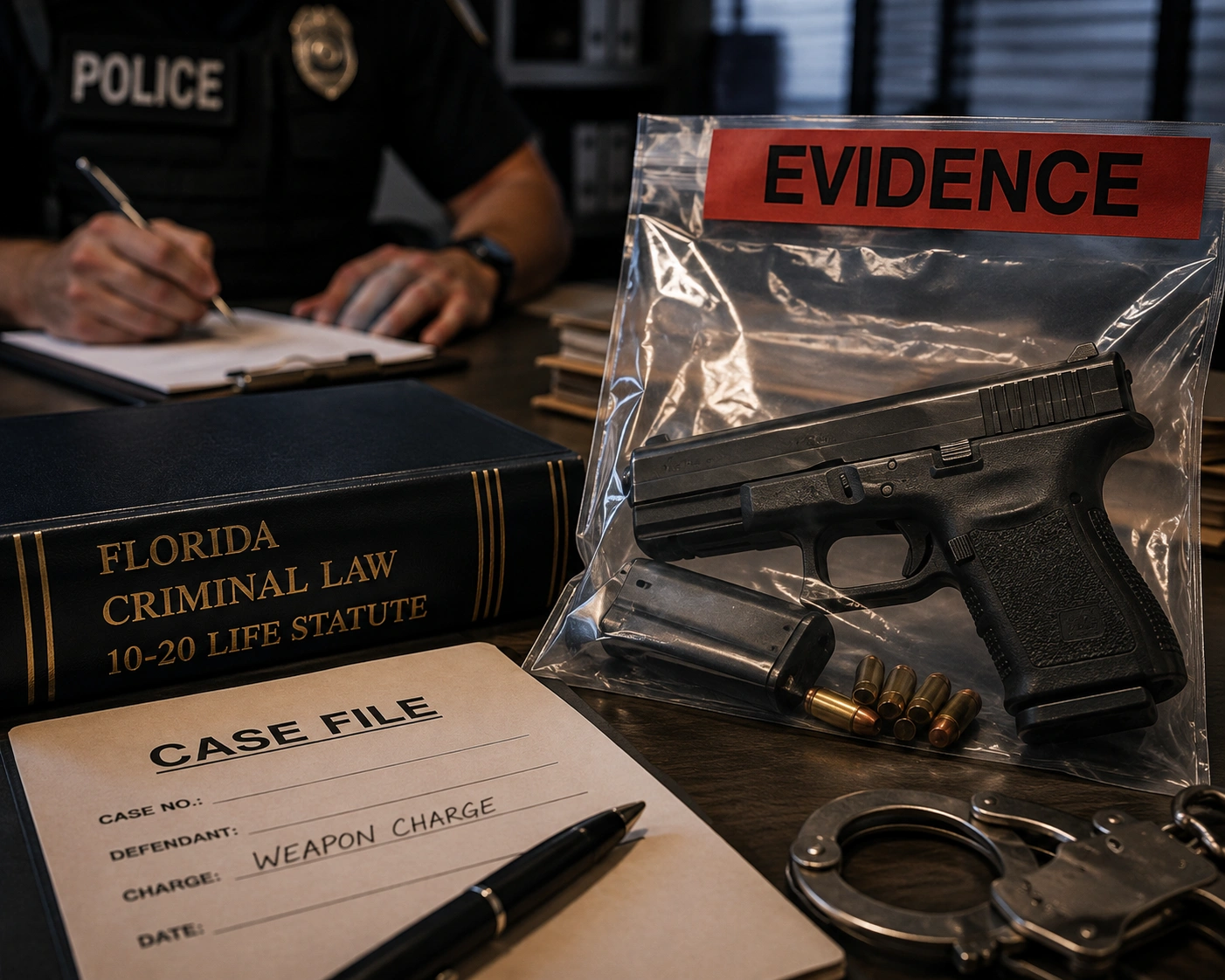
Weapon Charges
A person found in possession of a firearm can be charged with third degree felony. Even if the weapon was not used according to Florida law. Florida's 10-20-Life statute imposes mandatory prison time for firearm use in certain felonies. Carrying concealed firearm without license is its own separate felony charge.
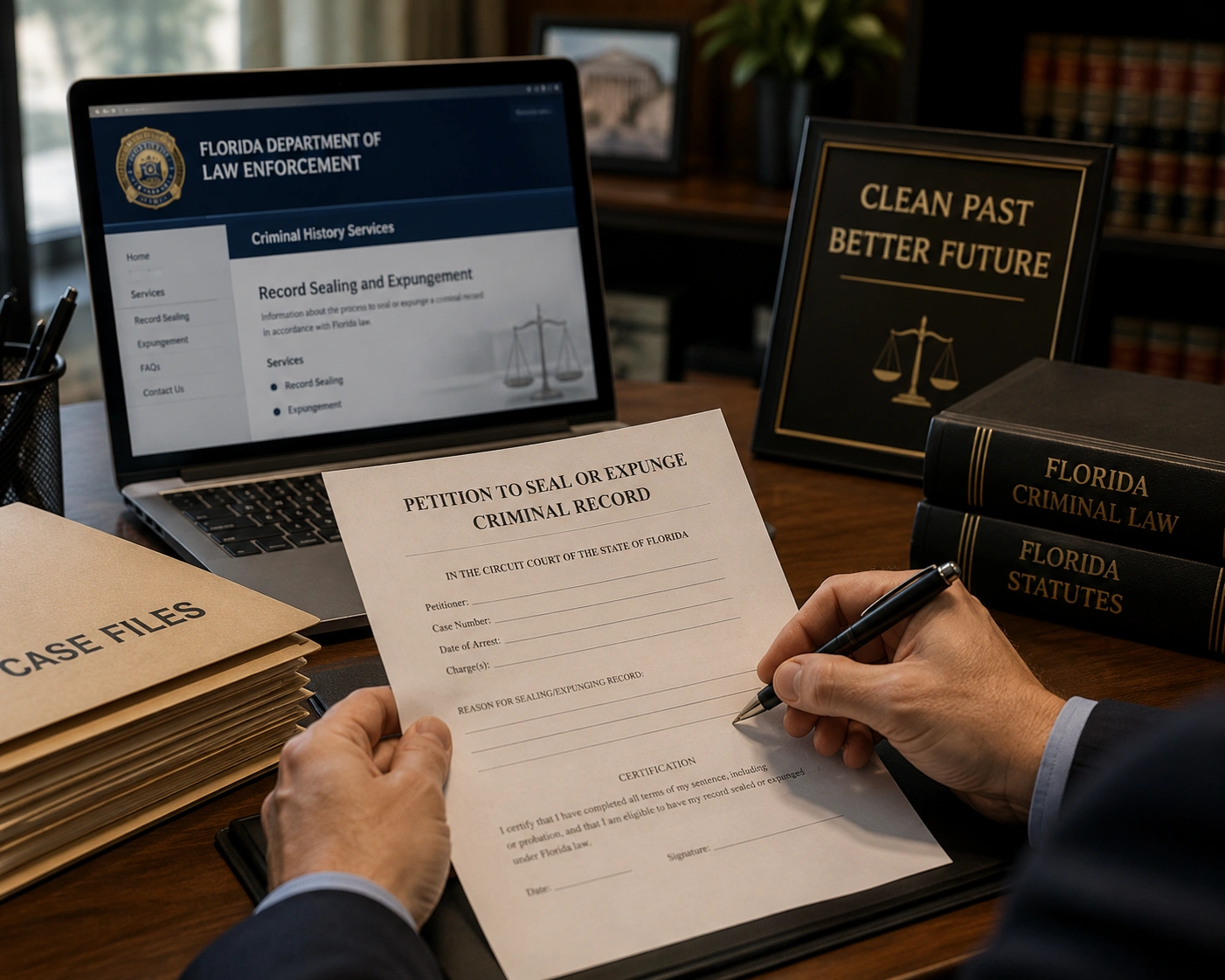
Sealing and Expunging
Sealing hides a criminal record from public view. Conversely expunging removes it entirely from most databases under Florida law. Both options generally require clean history and charge not ending in conviction. The application runs through the Florida Department of Law Enforcement. This application process can take several months. Defense team handles the paperwork and eligibility review to prevent any costly mistake.
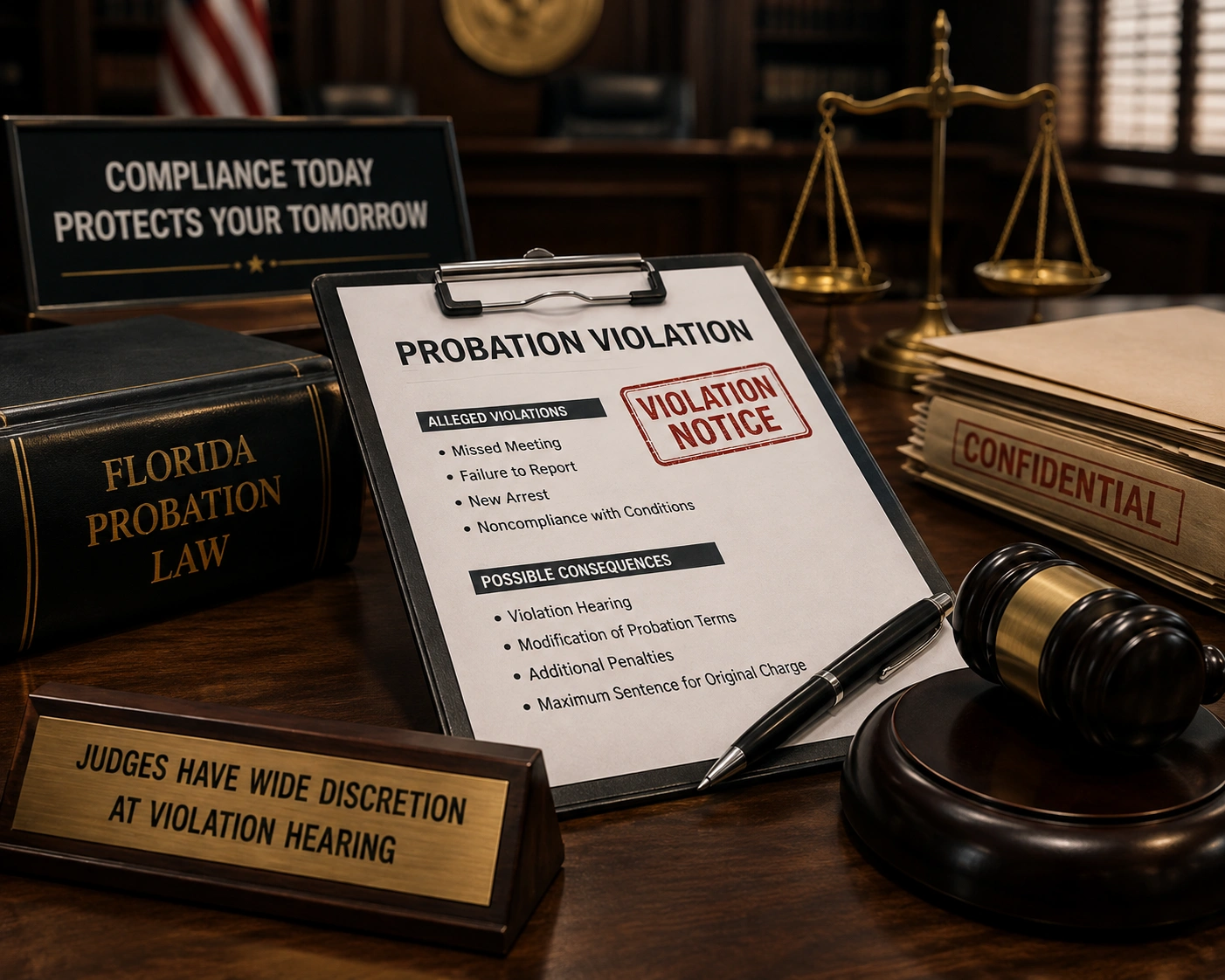
Probation Violations
Violating probation in Florida can be technical. For instance missing a meeting or substantive, new arrest. Judges have wide discretion at violation hearing and can impose maximum sentence for original charge. The standard of proof at aiolation hearing is lower than at trial and favors the state.
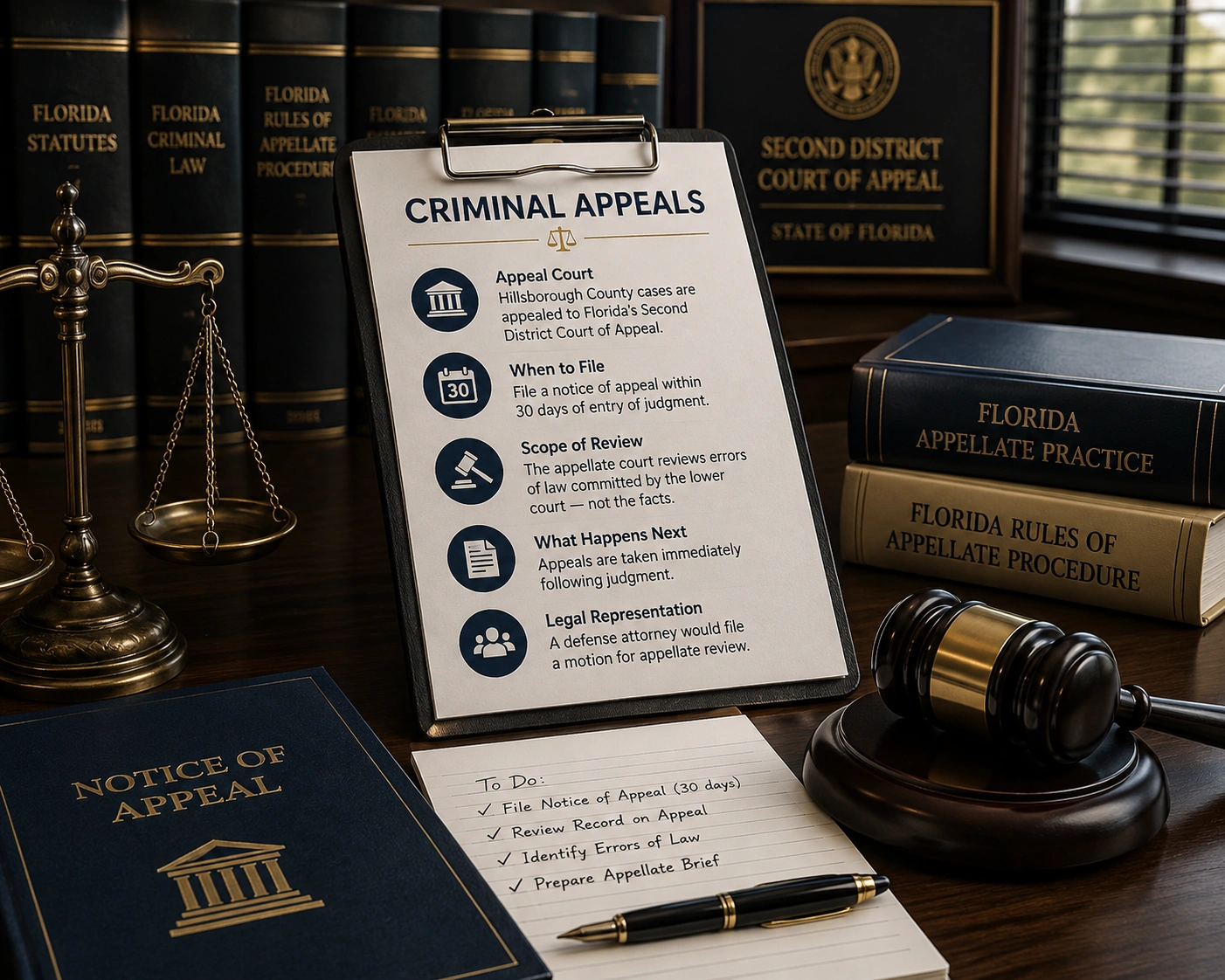
Criminal Appeals
Cases from Hillsborough County are appealed to Florida's Second District Court of Appeal. Appeals are taken immediately following judgment. You need to file a notice of appeal with the court within 30 days of entry of judgment. On appeal, errors of law committed by the lower court are reviewed. It does not focus on retrying facts of the case. Furthermore, a defense attorney would file a motion for post conviction relief if there is new evidence or mistakes impacted outcome.
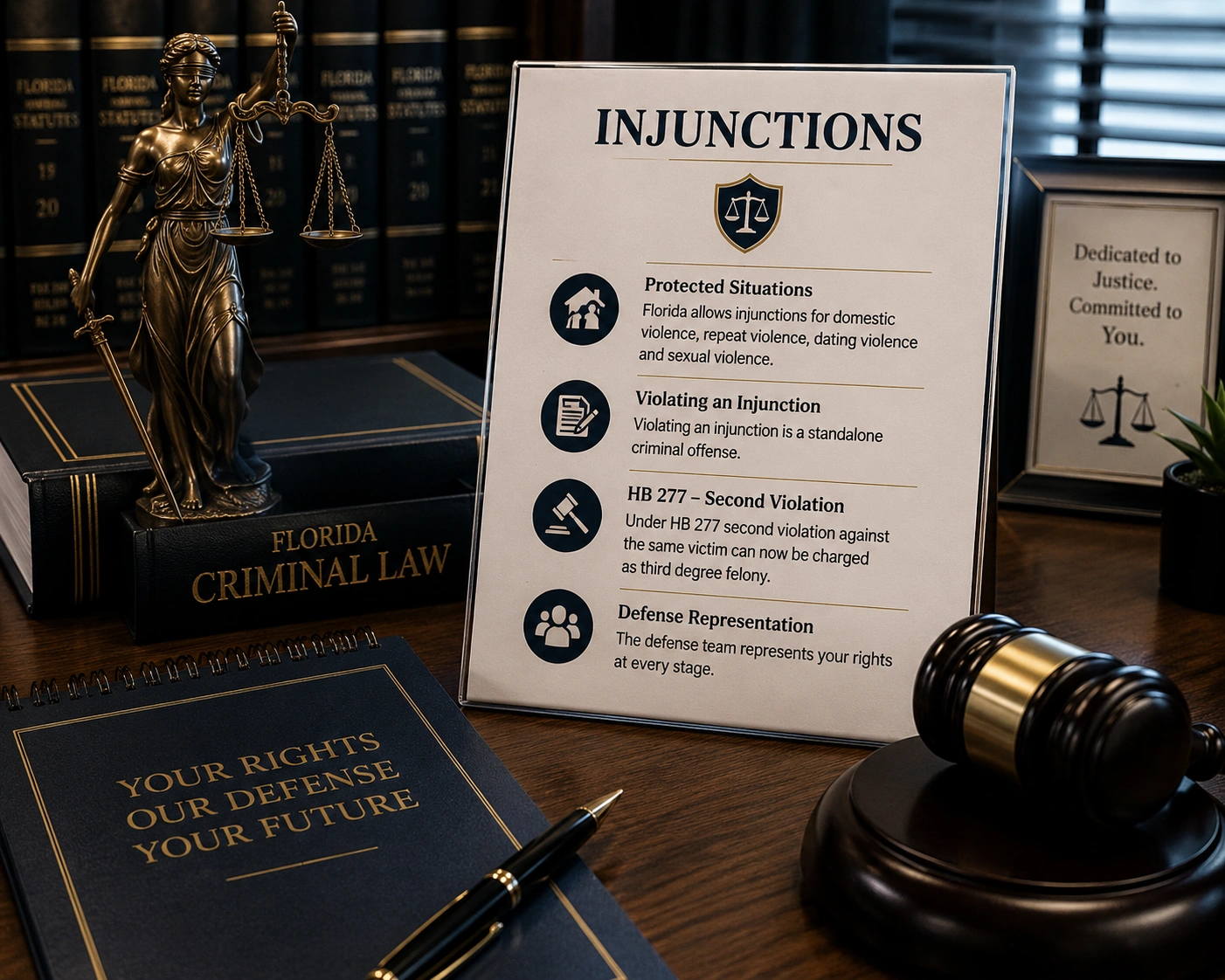
Injunctions
Florida allows injunctions for domestic violence, repeat violence, dating violence and sexual violence. Violating an injunction is a standalone criminal offense. Under HB 277 second violation against the same victim can now be charged as third degree felony. The defense team represents people on both sides of these petitions because injunctions get misused in custody disputes.
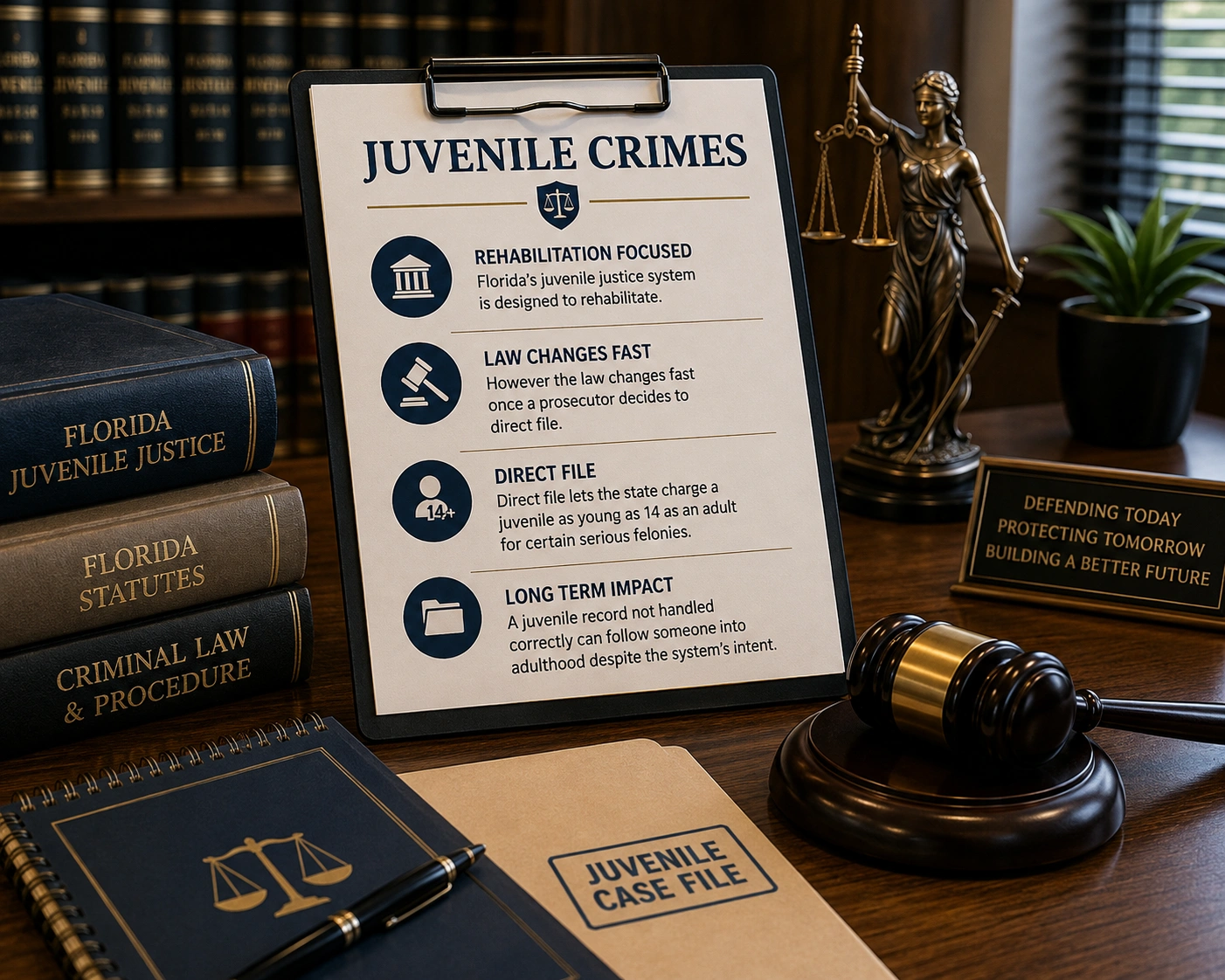
Juvenile Crimes
Florida's juvenile justice system is designed to rehabilitate. However the law changes fast once a prosecutor decides to direct file. Direct file lets the state charge a juvenile as young as 14 as an adult for certain serious felonies. A juvenile record not handled correctly can follow someone into adulthood despite the system's intent.
Expungements
Florida offers each individual only one opportunity to seal criminal records. In order to qualify for an expungement, a person needs to obtain a certificate from the Florida Department of Law Enforcement. In addition, a person should have been arrested for dismissed, acquitted charges or no charges. Certain offenses, including most sex crimes and violent felonies, don't qualify no matter how the case ended.
What Happens When Tampa Police Make Arrest For Criminal Charge
In Tampa, a particular protocol is followed when a person is arrested. This protocol is the same whether the individual has been arrested for a minor offense or a serious felony.
Fingerprinting and Photographing For Booking
Every person arrested in Hillsborough County gets transported to the Orient Road Jail for booking. Officers take fingerprints and a photograph to keep them part of a permanent arrest record. Those prints run through state and federal databases including FDLE and the FBI. This record exists whether or not the state ever files formal charges. Tampa Criminal defense lawyers begin working on sealing eligibility after booking is complete.
Recording Personal and Identifying Information
Booking officers record your name, address, date of birth and physical description into the county's system. Employer information and emergency contacts often get recorded during this same intake process. Hillsborough County shares this information with state and federal databases immediately. Any inaccuracies in this record can create problems later during background checks or license applications.
Medical Screenings
Jail staff conduct basic medical screening during booking. This screening is to check for injuries, medications. Moreover jail staff examine for conditions needing immediate attention or withdrawal risk before housing assignment. Medical screening also documents any visible injuries at the time of arrest. Those records can become important evidence if excessive force becomes part of the defense.
Cataloging And Holding Personal Property
The arresting officers take away some personal belongings and leave them in the safe place. The items can include your wallet, cellular phone, jewelry, and clothes. Officers return your property upon release unless it is tied to alleged crime as evidence. Phones and vehicles are the most commonly held items in Hillsborough County cases. Missing or damaged property disputes are common and worth raising immediately.
First Appearance Hearing
Florida law requires first appearance hearing within 24 hours of arrest and weekends included. Hillsborough County conducts this hearing in Division O. During this session a judge evaluates probable cause and determines bond or other release conditions. Having criminal defense lawyer tampa fl present can significantly impact reasonable bond and an unaffordable amount.
Formal Criminal Charging
The State Attorney's Office in the 13th Judicial Circuit decide on filing formal charges. This decision usually comes within 21 days of arrest if you're still in custody. During this window prosecutors can file same charges, more serious charges or drop the matter entirely. This period is often the best chance to argue against charges.
Formal Court Hearing
After the charges are filed arraignment formally advises you about charges and plea. Most defense attorneys file a written not guilty plea. It is because their client does not need to appear in person. This hearing also establishes a schedule for any pretrial motions and any future court dates. Failure to appear or failure to manage the hearing properly can result in additional problems to follow for months.
Pretrial And Trial
Pretrial conferences and case management hearings track the progress of discovery and depositions. Additionally check for any pending motions before case reaches trial. In the state of Florida you have a constitutional right to a jury trial for most misdemeanors and felonies. Most Hillsborough County cases resolve through negotiation without reaching jury. If no agreement comes together, the case proceeds to trial at the county courthouse. This firm prepares every case as if it's going to trial, which tends to produce better plea offers along the way.
What Penalties Does Criminal Charge Carry in Tampa?
Florida ranks criminal offenses by degree. Each degree carries a specific maximum sentence and fine.
Second Degree Misdemeanor
A second degree misdemeanor brings sixty days in the Hillsborough County jail. Florida defendants will also face a maximum fine of five hundred dollars. Petit theft under one hundred dollars and disorderly conduct fall into this category. These arrests don't leave background checks unless a judge agrees to seal them. Our defense team treats these charges seriously because convictions create lasting criminal records.
First Degree Misdemeanor
Charges for first degree offenses can carry up to 364 days in jail. The state also imposes a maximum fine of one thousand dollars here. Lawmakers lowered the maximum sentence from a full year to protect immigrants. Sentences over 365 days trigger automatic federal deportation proceedings for non citizens. Battery charges and first offense DUI convictions commonly fill this specific classification.
Third Degree Felony
Third degree felonies carry up to five years inside a Florida state prison. The court can also impose a steep fine reaching five thousand dollars instead. Drug possession, grand theft and aggravated assault frequently trigger these felony charges. This category remains the lowest felony degree eligible for a withhold of adjudication.
Second Degree Felony
Second degree felonies bring up to fifteen years directly inside a state prison. Judges can also order a massive fine of ten thousand dollars maximum. These penalties can be imposed for crimes such as aggravated assault, battery with a weapon, armed burglary. Under state sentencing guidelines judges have some discretion in deciding punishment for crime. A Criminal defense lawyer tampa fl builds mitigation packages to secure minimum sentences.
First Degree Felony
First degree felonies carry harsh penalties up to thirty years in state prison. Some specific criminal offenses at this high level are punishable by life sentences. Armed robbery and certain sexual battery charges commonly reach this specific legal classification. Prosecutors must prove specific facts to bridge the gap toward a life sentence.
Life Felony Or Capital Felony
Life felonies bring life sentences and fifteen thousand dollar fines without death penalties. Capital felonies like premeditated first degree murder can bring the Florida death penalty. These complex capital cases require defense resources far beyond a standard felony case. The defense team brings in forensic and mitigation experts immediately for these charges.
Loss Of Voting Rights
A felony conviction disables you from voting until you finish serving your sentence. This includes finishing your prison term, probation and restitution or payment of any court ordered fines. Restoring your voting rights afterwards requires a formal application through the clemency process. The firm advises clients on this process when planning beyond the case itself.
Inability To Possess Firearms
Florida and federal laws bar convicted felons from possessing firearms for their lifetime. This restriction applies even to hunting rifles or firearms kept for home protection. Violating this firearm ban after a conviction creates a brand new felony charge.
Suspension Of Professional Licenses
Florida licensing boards regularly suspend or revoke professional licenses following related criminal convictions. Nurses, real estate agents and contractors face board reviews for unrelated criminal charges. Some disciplinary boards take immediate action on an arrest before any conviction occurs.
Revoke Driving Privileges
Certain Florida convictions trigger automatic driver's license suspensions even for totally unrelated offenses. Drug convictions carry a mandatory license suspension under Florida Statute 322.055 automatically. DUI convictions add their own separate suspension periods on top of criminal penalties. Lawyers look for ways to preserve driving privileges whenever underlying charges allow it.
Potential Deportation
Non citizens convicted of aggravated felonies or moral turpitude crimes face federal removal. Even a withhold of adjudication counts as a conviction for federal immigration purposes. This reality makes plea negotiations far more complicated for any non citizen defendant. McCulloch Law P.A. works alongside immigration counsel to limit total exposure whenever possible.
Denial Of Citizenship For Non Citizens
Certain criminal convictions prevent applicants from meeting good moral character requirements for naturalization. Some offenses create temporary bars, while more serious convictions block your citizenship permanently. This consequence surprises clients who assumed their cases were fully resolved years earlier. Our firm won't ignore these serious risks before a plea gets entered.
Which Evidence You Should Preserve After Tampa Crime Accusation
Evidence disappears fast once an investigation starts and some of it only exists for a short window. Preserving the right material early can decide your case months later.
Act fast. Evidence disappears quickly. Protect your rights and your future.
Get a Free Case Review TodayTestimony
Witnesses who saw what happened often remember less accurate detail as weeks pass after an arrest. Getting a written or recorded statement early preserves details that fade with time. This applies to witnesses who support your account and those whose story might change under pressure. Florida criminal defense lawyer locates and interviews witnesses before memories start to shift.
Digital And Cloud Data
Text messages, location history and app data can confirm or contradict a timeline in a criminal case. Many cloud services only retain certain data for a limited period before automatic deletion. Waiting weeks to request this information can mean it's already gone. Defense lawyer sends preservation letters immediately to lock down digital evidence before it disappears.
Any Statement To Police Officer
Anything you say to a Tampa police officer becomes evidence against you later. Officers don't remind you about remaining silent outside of formal interrogation rooms. Casual comments made while being detained always end up inside final arrest reports. Criminal law firm reviews every recorded statement for accuracy and context the report may have left out.
Alibi And Location History
Phone location data and rideshare records establish your location during alleged crimes. People overlook this evidence until finding it becomes impossible for defense teams. Private businesses don't keep tracking records forever, especially for minor financial transactions. The defense team works quickly to gather this evidence before a company purges its system.
Recordings Of 911 Calls
911 call recordings from the Hillsborough County Sheriff's Office or Tampa Police Department capture the earliest version of events. These recordings often contradict later statements made once someone has had time to reconsider what they said. Public records requests for these recordings can take time to process. Criminal defense attorney files these requests early, since the original call often tells a different story than the arrest report.
Security Footage
Nearby businesses and traffic cameras overwrite security footage within a few days. You can't recover missing footage regardless of how helpful it proves later. This makes early requests to nearby businesses one of the most time sensitive parts of building a defense. Defense team sends preservation requests to nearby properties within days of taking a case.
Physical Evidence
Clothing and weapons connected to alleged crimes must remain completely unchanged after incidents. Poor storage by law enforcement creates legal grounds to challenge how evidence was collected. Chain of custody problems come up more often than most defendants expect. Attorney reviews evidence logs line by line, looking for exactly this kind of gap.
Any Photographs and Blood Samples
Photographs taken at the scene and any blood samples collected during an arrest can support or undermine the state's version of events. Blood samples in DUI cases require strict handling procedures under Florida law to remain admissible. A break anywhere in that chain can void the results entirely.
Eyewitness Information
Eyewitness identifications carry real weight with juries, but they're also one of the least reliable forms of evidence in criminal cases. Stress, distance and lighting at the time of an incident all affect how accurately someone remembers a face. Florida courts have started requiring more careful jury instructions on this exact issue. The defense team cross examines eyewitness identifications with these limitations in mind.
What Restrictions Are Imposed After Being Charged With Crime in Tampa
A criminal charge changes daily life well before a case ever reaches trial. Bond conditions can restrict where you go, who you speak to and what you own.
Restrict Leaving The Jurisdiction
Many Hillsborough County judges limit travel outside the county or state as a condition of pretrial release. Leaving without court permission, even for work or family reasons, can trigger a bond revocation. Some cases allow travel with advance notice filed through the court. The firm requests travel modifications for clients whose jobs or families require it.
Court Mandated Testing
Drug and alcohol cases often come with mandatory testing as a condition of release, sometimes multiple times per week. A single missed or failed test can lead to an immediate bond revocation, regardless of the underlying charge's eventual outcome. This condition applies even before any conviction has occurred. Criminal defense lawyer in tampa fl helps clients understand exactly what a testing schedule requires before they miss one.
Curfews and House Arrest
Judges can impose a curfew or full house arrest with electronic monitoring as a release condition in serious cases. Compliance gets tracked constantly and violations can result in immediate re arrest. These conditions are more common in violent crime and repeat offense cases. Defense attorney argues for less restrictive alternatives when the facts of a case support it.
Prohibited Contacting Alleged Victim
A no contact order bars any communication with the alleged victim, directly or through a third party, while a case is pending. This applies even if the alleged victim wants to reconcile or reach out first. Violating a no contact order creates a new criminal charge separate from the original case. Criminal law firm explains these boundaries clearly, since one text message can undo months of progress on a case.
No Contact Witnesses Or Co Defendants
Courts often extend no contact orders to cover witnesses and co defendants, not just the alleged victim. This prevents anything that could look like witness tampering or coordinated testimony. Even a well meaning conversation can be read as an attempt to influence a case. Defense lawyer reviews every no contact order in detail so clients know exactly who falls under it.
Firearm And Weapon Restrictions
Anyone charged with a domestic violence offense loses the right to possess firearms immediately under federal law, before any conviction. This restriction can apply the moment an injunction or no contact order is entered. Surrendering weapons to law enforcement is usually required within a short window. Criminal law firm handles the logistics of firearm surrender to avoid an additional violation.
Supervised Check Ins
Hillsborough County's Pretrial Services division supervises many defendants released on bond, requiring regular check ins by phone or in person. Missing a scheduled check in counts as a violation, even without any new criminal conduct. This supervision continues until the case resolves or the court modifies the conditions. Defense team helps clients stay compliant so a missed call doesn't turn into a bigger problem.
Passport Surrender
Federal cases and some serious state felonies require surrendering a passport as a condition of pretrial release. This prevents international travel for the duration of the case, sometimes for a year or longer. Courts view passport retention as a strong flight risk indicator when setting bond. Defense lawyer negotiates these conditions when a client has legitimate travel needs tied to work or family.
How Florida's Criminal Laws Changes Affect Cases in 2026
Florida's legislature passed nine major criminal justice bills that took effect July first, 2026. Each one changes something about how Tampa cases get charged, sentenced or resolved.

Missy's Law
Missy's Law requires courts to remand anyone convicted of or pleading guilty to a dangerous crime into custody immediately, without bond, before sentencing. The law also expanded Florida's list of dangerous crimes to include certain computer pornography and child exploitation offenses. This removes judicial discretion that previously allowed some defendants to stay free after conviction. Criminal law firm now builds sentencing strategy earlier in a case, since post conviction release is no longer an option for qualifying charges.
Domestic Violence and Injunctions
House Bill 277 lowers thresholds for felony reclassifications during local domestic violence cases. A second injunction violation against the same victim becomes a third degree felony charge. Judges can now weigh threats against pets when deciding to grant protective injunctions. They also consider existing military protective orders during these critical courtroom injunction hearings. Victims will receive increased relocation assistance from fifteen hundred dollars to twenty five hundred. Our defense team reviews prior histories closely since past violations carry much heavier penalties.
Habitual Traffic Offenders
Known as Isaiah's Law, HB 35 added driving without a valid license to the list of offenses that can trigger a habitual traffic offender designation. Fifteen qualifying convictions within five years still lead to that designation, but the pool of qualifying offenses just got wider. Anyone designated a habitual traffic offender who drives again faces a third degree felony charge. Criminal defense lawyer tampa fl contests HTO designations built on incomplete or inaccurate driving records.
Officer Jason Raynor Act
The Officer Jason Raynor Act increases penalties for violent offenses against law enforcement. Manslaughter of an on duty officer now carries a mandatory life sentence instead. This new bill also expands the traditional definition of resisting arrest with violence. Defense team scrutinizes officer conduct closely in these cases, since the enhanced penalties raise the stakes for every disputed fact.
Gang Statutes
Effective October 1, 2026, HB 429 lets prosecutors use social media posts, usernames and even a spouse's statement to establish criminal gang membership. A person now needs to meet only two of several listed criteria, rather than relying on direct evidence of gang activity. This makes online behavior fair game in ways it wasn't before. Criminal defense attorney challenges how gang membership gets proven, since a single old post shouldn't define an entire case.
Mandatory Minimums for Sexual Offenses
HB 1159 created mandatory minimum sentences for specified adult sexual offenses against children and added a life felony for aggravated exploitation of a child under 12. The law also criminalized new categories of AI generated exploitation material. These mandatory minimums remove much of the sentencing flexibility judges previously had in these cases.
Child Reporting Violation Time Limits
Senate Bill 590 changes the official clock for child abuse reporting violations. The statute of limitations doesn't start until law enforcement learns about violations. This means reporting violations from years earlier can still result in charges today. The defense team reviews the full timeline in these cases, since the new rule changes what counts as too old to prosecute.
Sexual Offenders and Predators
Senate Bill 212 prohibits registered sexual offenders from residing close to educational institutions. They are not allowed to reside within a thousand feet of public pools, playgrounds or parks. Without prior court approval, probationers are not permitted to work or volunteer at public pools. Violating these new residency rules carries its own separate criminal penalty. Criminal law firm helps registered clients review housing and employment situations against the new distance requirements before a violation happens.
Felony Battery
Simple misdemeanor battery charges are elevated to third degree felonies under Senate Bill 436. This elevation triggers if defendants have prior convictions for resisting officers with violence. It also adds felony battery causing bodily injury to prison releasee reoffender lists. That status can mean serving a sentence with no possibility of early release.
Common Mistakes That Risk Your Criminal Case Before You Hire a Tampa Defense Lawyer
Certain decisions in the first hours after an arrest can damage a case permanently. Hiring a criminal defense lawyer tampa fl early helps avoid these common mistakes.
Talking to Law Enforcement Without Lawyer
Police officers are trained to get people talking and most conversations happen before anyone realizes they're a suspect. Anything said, even in a friendly tone, can end up quoted directly in an arrest report. Florida law doesn't require officers to remind you of your right to stay silent outside formal interrogation. Politely declining to answer questions until an attorney is present protects you far better than trying to explain your way out.
Discussing the Details of Case
Sharing pending case details with friends or family members creates highly dangerous verbal statements. Prosecutors easily subpoena private digital messages whenever text histories become relevant to cases. State prosecutors regularly review your public social media accounts searching for information contradicting defenses. Keeping case details limited to conversations with your attorney closes off that risk entirely.
Lying or Hiding Facts from Lawyer
A defense attorney can only build a strategy around the facts they actually know, not the ones a client leaves out. Facts that surface later, especially during discovery, can undermine an entire defense strategy built without them. Attorney client privilege protects what you share, so there's no advantage to holding back. Full honesty with your attorney, even about the parts that feel bad, gives them room to prepare for what's coming.
Waiting Too Long to Seek Representation
The 21 day window before formal charges get filed is often the best chance to influence the outcome of a case. Waiting until after your first formal arraignment hearing means missing this critical timeline entirely. Helpful evidence supporting your defense becomes significantly harder to secure as time passes. Calling a defense attorney within days of an arrest preserves options that disappear the longer someone waits.
Hiring Attorney Based Solely on Lowest Fee
The cheapest attorney available isn't always taking the time a case actually needs to build a real defense. Low flat fees sometimes reflect a volume based practice built around quick plea deals rather than trial preparation. A case that deserves a fight can get resolved too fast under that kind of arrangement. Comparing experience and trial record matters more than comparing quotes alone.
Prioritizing Cost Over Competency
Choosing an attorney based on price rather than experience with your specific charge can cost far more in the long run. A felony conviction's collateral consequences, from job loss to immigration issues, often outweigh the difference in attorney fees. The right experience for a DUI case isn't the same as the right experience for a federal drug charge. Matching an attorney's background to the charge matters more than the number on the invoice.
Representing Yourself at Initial Hearings
Appearing at a first appearance or arraignment without representation means facing a judge and prosecutor with no one advocating for a lower bond. Self represented defendants often don't know what release conditions are negotiable or what questions to ask. A poorly handled first hearing can set unfavorable terms that follow the case for months. Having an attorney present at every early hearing protects ground that's hard to win back later.
How McCulloch Law Fights Back Against False Accusation of Crime in Tampa
False accusations happen more often between people who know each other. McCulloch Law approaches these cases with a defense built from day one.

Strategic Defense Built From Day One
We investigate motives, reconstruct timelines, and exploit procedural flaws to build a strong defense.
Call (813) 444-2817 for RepresentationIndependent Investigation & Evidence Gathering
McCulloch Law P.A. doesn't rely solely on the state's version of events documented in a police report. We interview critical witnesses and gather private surveillance footage to build accurate timelines. This independent process regularly uncovers helpful evidence that police officers completely ignored before. A thorough independent investigation frequently reveals gaps the prosecution's file doesn't show.
Attacking the Accuser's Credibility
When local cases rest entirely on single accounts, personal motives matter enormously. Prior inconsistent statements or clear motives to lie can completely destroy accusations early. This situation requires careful cross examination instead of aggressive arguments that backfire later. Our firm builds these specific legal challenges using documented factual contradictions instead of speculation.
Pre File Intervention
Before the State Attorney's Office formally files charges, there's a window to present exculpatory evidence directly to the prosecutor. A well timed pre file intervention can convince a prosecutor to decline charges or file something less serious. This strategy only works with fast action, since the filing decision typically comes within 21 days of arrest. Our tampa criminal defense lawyer moves on this window immediately after taking a case.
Exploiting Procedural and Constitutional Flaws
Fourth Amendment violations during a search, Miranda violations during questioning and chain of custody breaks can all undermine a case regardless of guilt or innocence. Motions to suppress evidence obtained improperly can eliminate key pieces of the state's case entirely. Judges take these motions seriously when the constitutional violation is clearly documented. Our firm reviews every arrest for these procedural openings before considering any other strategy.
Forensic and Medical Experts' Testimony
Independent forensic and medical experts can challenge the state's interpretation of physical evidence, injuries or lab results. A defense expert reviewing the same blood sample or injury photograph often reaches a different conclusion than the state's expert. Jurors give real weight to qualified experts who explain complex evidence in plain terms. Drew McCulloch's team brings in these experts on cases where the physical evidence is disputed.
Direct Defense Strategies
Alibi evidence, self defense claims under Florida's Stand Your Ground law and mistaken identity defenses each require a different kind of proof. Building any of these defenses starts with the evidence gathered in the first days after an arrest. Waiting too long to build a direct defense narrows which strategy is even still available. McCulloch Law P.A. identifies the strongest available defense early, then builds the entire case around proving it.
Criminal Injunctions and Restraining Orders — How McCulloch Law Defends Your Case
An injunction hearing moves within two weeks of the initial filing. Our criminal defense lawyer tampa fl at McCulloch Law prepares a defense according to matched accelerated timelines.
Pre-Hearing Strategies and "Discovery"
Florida law requires a full injunction hearing within 15 days of a temporary injunction being granted. Requesting records, witness statements and any prior communications between the parties needs to start immediately. This discovery process reveals whether the petition holds up under scrutiny. Our defense team begins gathering this material the same day a client calls.
Challenging the Evidence
Injunction petitioners frequently submit evidence with minimal court scrutiny initially. A full hearing gives respondent a chance to challenge weak or exaggerated evidence. Crosse xamination at this stage can reveal gaps on paper. Our Tampa criminal defense lawyer prepares detailed questions built around inconsistencies found during discovery.
Gathering Contradictory Proof
Text messages, emails and witness accounts can directly contradict claims made in a petition. Timestamped evidence often shows a different sequence of events. Friends, family, or even impartial witnesses can attest to the events of that day. More importantly judges are far more likely to believe contradictions to specific testimonies than general claims of innocence. Drew McCulloch's team builds this evidence into a clear organized presentation for the hearing.
Negotiating and Modifying Terms
Not every injunction case needs a full contested hearing to reach a fair outcome. Both parties may agree to terms to modify the original contract. For instance, a revised contact plan for shared children. Thus avoiding responsibility without either party having to concede fault. This can expedite resolution while avoiding the uncertainty of a trial. McCulloch Law negotiates these terms when it genuinely serves the client's interests, not as a default option.
Identifying Malicious Intent
Injunctions get filed strategically in custody disputes and contentious breakups more often than most people assume. A petition filed to gain an edge in a separate family court matter often shows inconsistencies once examined closely. Timing, especially filing right before a custody hearing, can itself be revealing. McCulloch Law P.A. looks at this context as part of building a complete defense.
Explains Nuances and Defends Violations
Violating an injunction even accidentally results in a separate criminal charge in addition to any civil penalties. Charges for that usually depend on whether the contact was unsolicited or accidental. A court will also distinguish between an intentional and an accidental violation, although this is hard to prove. The defense team explains these boundaries to clients up front, then defends any violation charge that follows.
Requesting Continuances
A short continuance can give a defense team the time it needs to gather evidence a rushed hearing date wouldn't allow. Courts grant continuances more readily when there's a specific, documented reason rather than a general request for delay. Rushing an injunction hearing without adequate preparation rarely favors the respondent. The firm requests continuances strategically, only when the extra time will actually change the outcome.
Why Tampa Residents Choose McCulloch Law for Criminal Defense
Tampa locals choose for the expertise of Drew McCulloch and his team at McCulloch Law. the law firm offering customized defense based on limited caseloads and the resources of qualified attorneys.
Expert of Local System
Drew McCulloch spent years inside the Hillsborough County State Attorney's Office before starting his own practice in 2014. That experience shows his vast knowledge of specific judges, prosecutors and courtrooms’ operations in Tampa. Local knowledge like this can not be replicated by an attorney parachuting in from another county. Prosecutors respond differently to attorneys they recognize from prior negotiations and trials. Clients get a defense built around Hillsborough County's court work.
Experienced In Criminal Law
McCulloch Law has handled thousands of criminal cases since 2014. All these cases include everything from minor traffic violations to major felony jury trials. Experience from all those cases ensure quality and it indicates the firm has observed these cases in practice. Clients benefit from patterns the firm has already recognized across similar cases.
Explain Charges and All Legal Options
Every criminal charge comes with more than one possible path forward including trial, negotiated plea and diversion program. Understanding those options requires an experienced tampa criminal defense lawyer to explain tradeoffs in simple terms. McCulloch Law P.A. walks clients through every realistic outcome before any decision gets made. This includes being honest about weak spots in a case along with strong ones.
Identify Weakness In Case
Every criminal case has points where evidence or procedure can be challenged. Finding that weakness requires a close read of police reports, lab results and witness statements. McCulloch Law treats this review as the starting point for every case. A weakness identified early can shape the entire defense strategy.
Negotiate Better Plea Deal
Most Hillsborough County criminal cases resolve through a negotiated plea rather than a jury trial. A good plea deal usually comes from a credible threat to take the case to trial. This firm prepares every case as if it's going the distance. This changes how prosecutors negotiate. That preparation often produces plea offers for felonies and reduced charges.
Minimizing Collateral Consequences
The consequences of conviction causeincarceration, affect employment, housing, immigration and professional licensing. Plea negotiations can fail to consider these issues, creating one problem while resolving several others. McCulloch Law P.A. structures plea agreements with these downstream effects in mind from the start. This approach often means the difference between a resolved case and a resolved life.
Investigation and Defense
Building a defense means going beyond the state’s offers during discovery. The firm conducts independent investigation on every case with disputed facts. This includes tracking down witnesses the state didn't interview and evidence the state didn't collect. A more complete picture of events often changes the provable at trial.
Personalized Defense Strategy
No two arrests happen under identical circumstances, even when the charges look identical on paper. Drew McCulloch's team builds a strategy around the specific facts, history and goals of each client. That might mean advocating for dismissal, negotiating a plea or preparing for trial. A client focused on avoiding a felony record needs a different strategy than one facing deportation risk. That personalized approach shapes every decision the firm makes on a case.
McCulloch Law Serves Criminal Defense & Personal Injury Cases Across Tampa
McCulloch Law represents clients across Tampa in both personal injury and criminal defense.
Personal Injury
Tampa Bay Area
Criminal Defense
Hillsborough County & Tampa
Courts and Cities McCulloch Law Serves Across Tampa
McCulloch Law proudly represents clients in courts throughout Hillsborough County and the surrounding Tampa Bay communities.

What Clients Say About McCulloch Law
Accused of Criminal Activity in Tampa? Contact McCulloch Law Now
Every day without a criminal defense lawyer tampa fl especially after an arrest state spends building case against you. McCulloch Law is the top criminal defense law firm in whole Florida families trust when stakes are highest. Call (813) 444-2817 now for a free, confidential case review before your next court date arrives. The sooner you reach us, the more options remain on the table.